LCOS SLM
Sub-nanometer spatio-temporal phase metrology of LCoS SLMs: calibration for adaptive coronagraphy
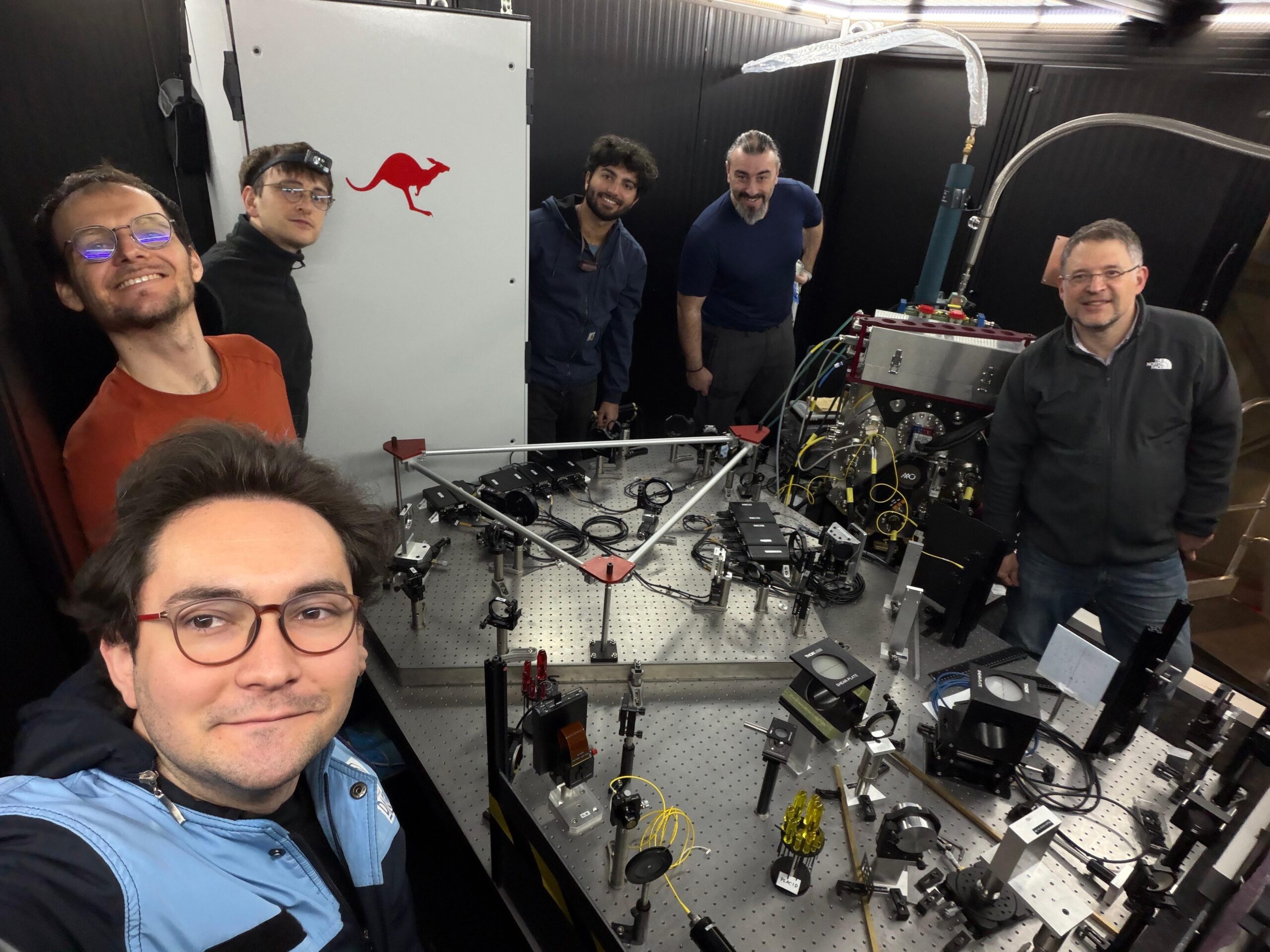
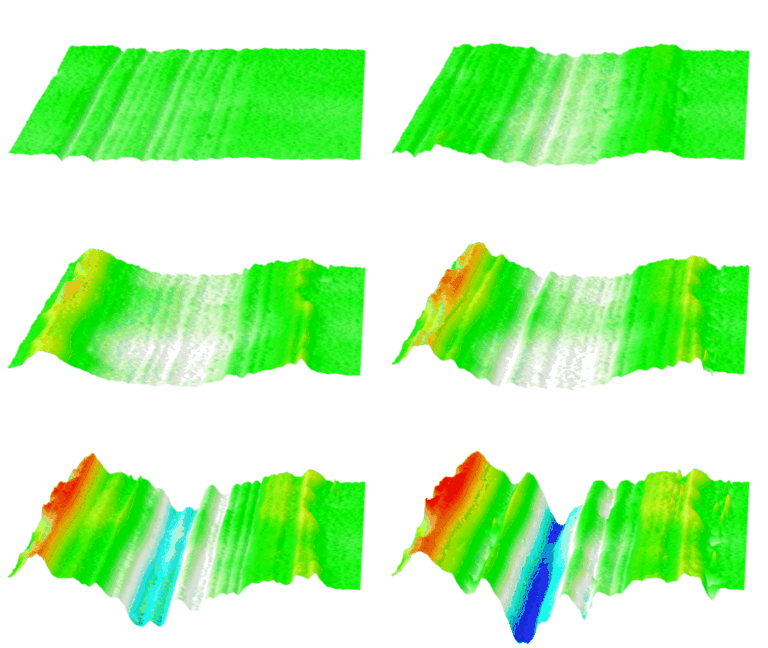
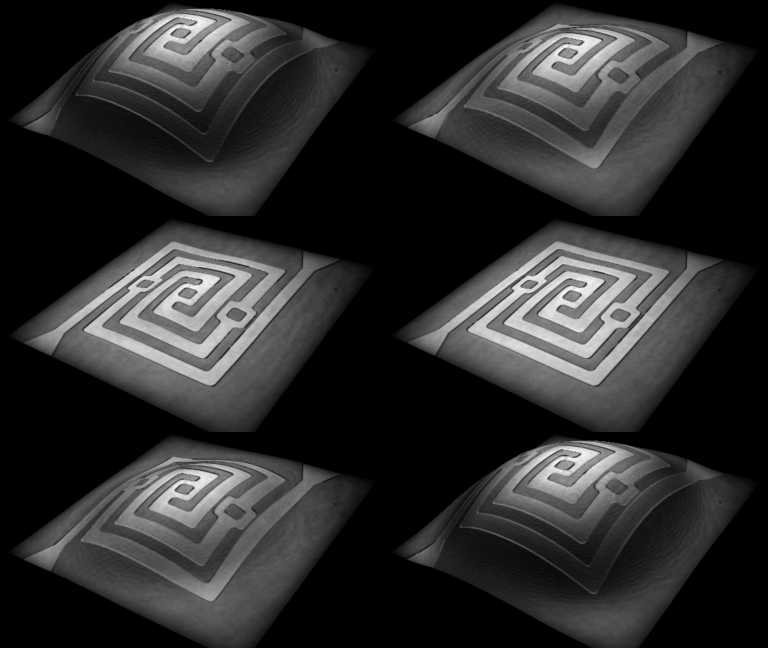
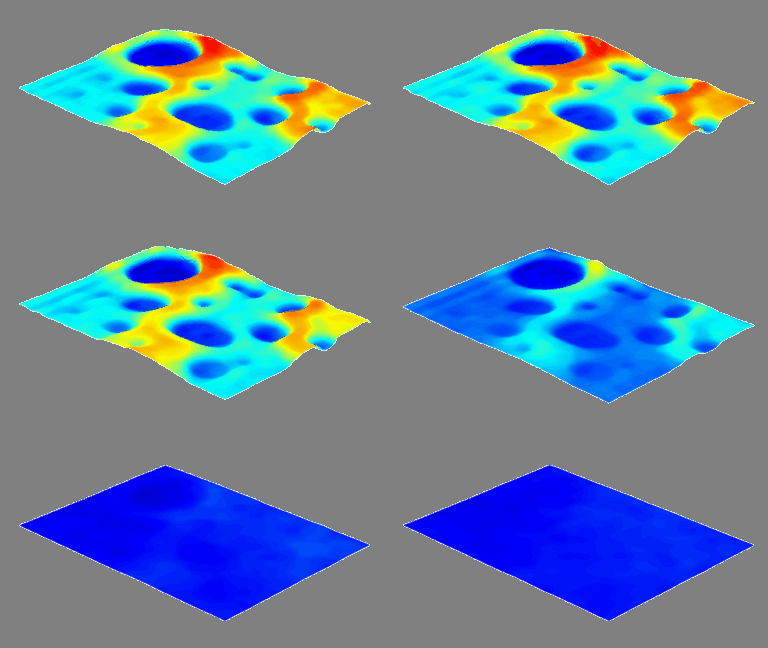
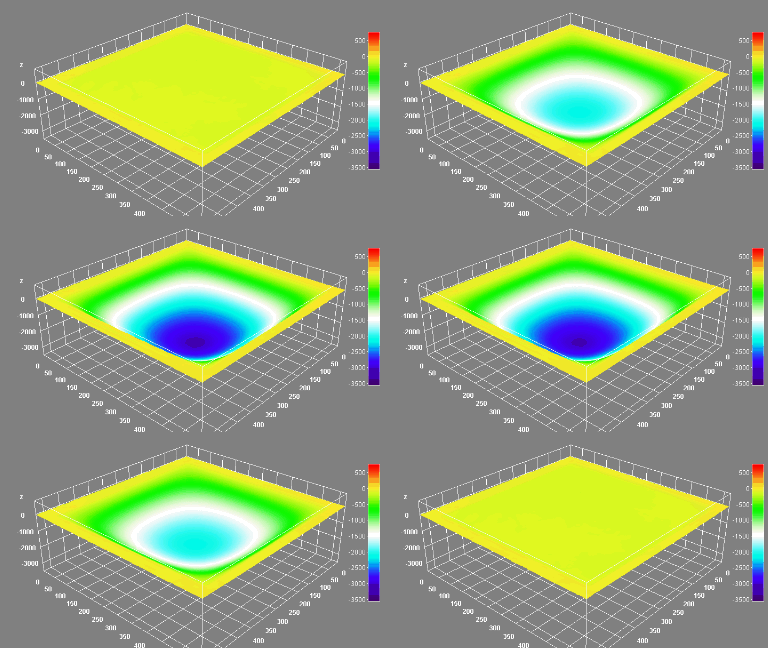
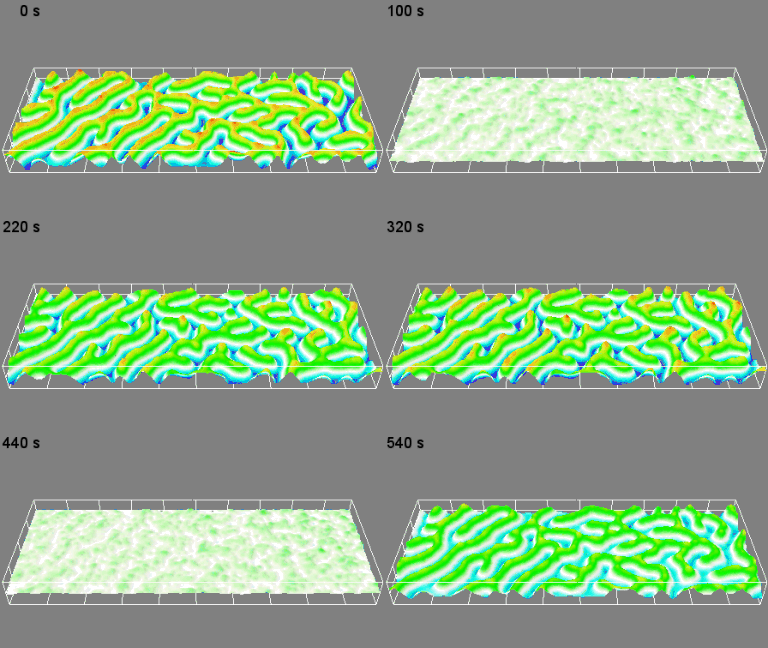
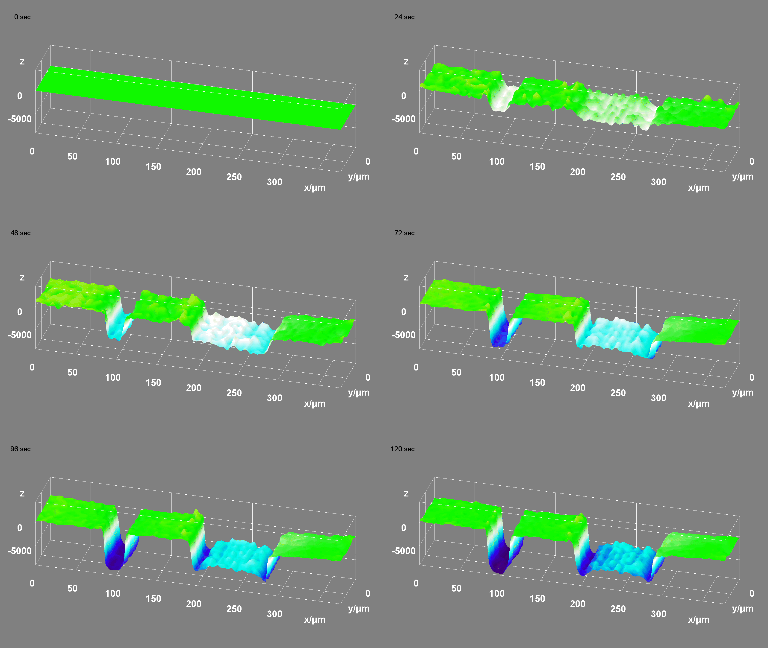
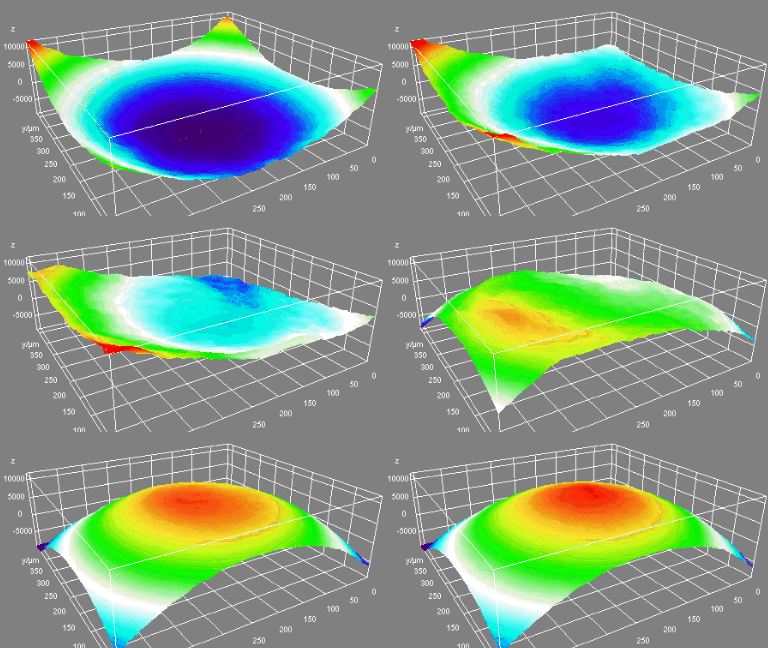
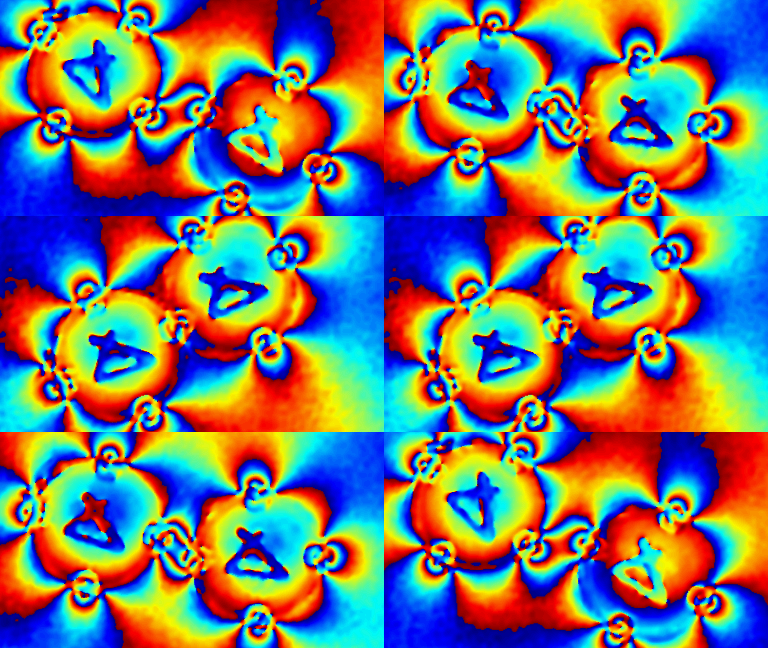
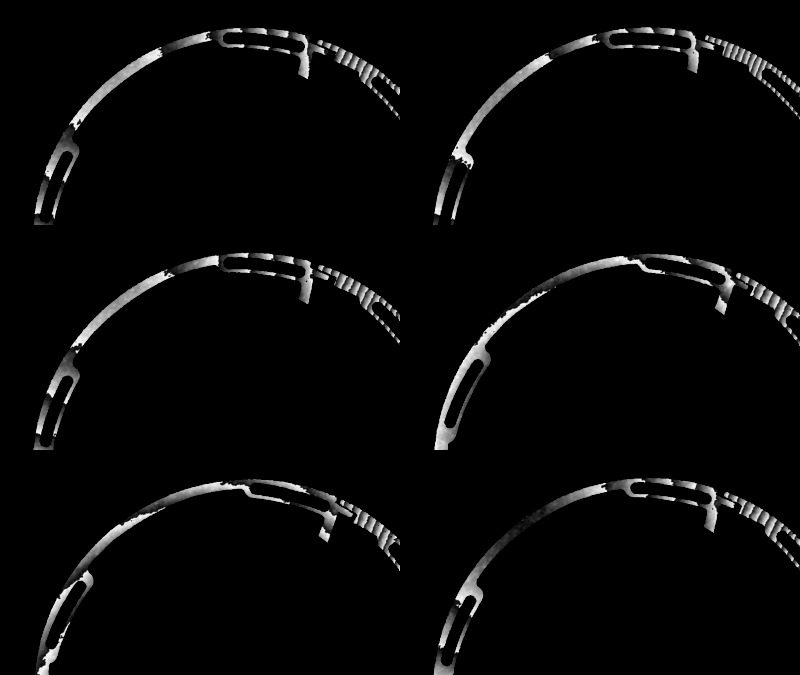
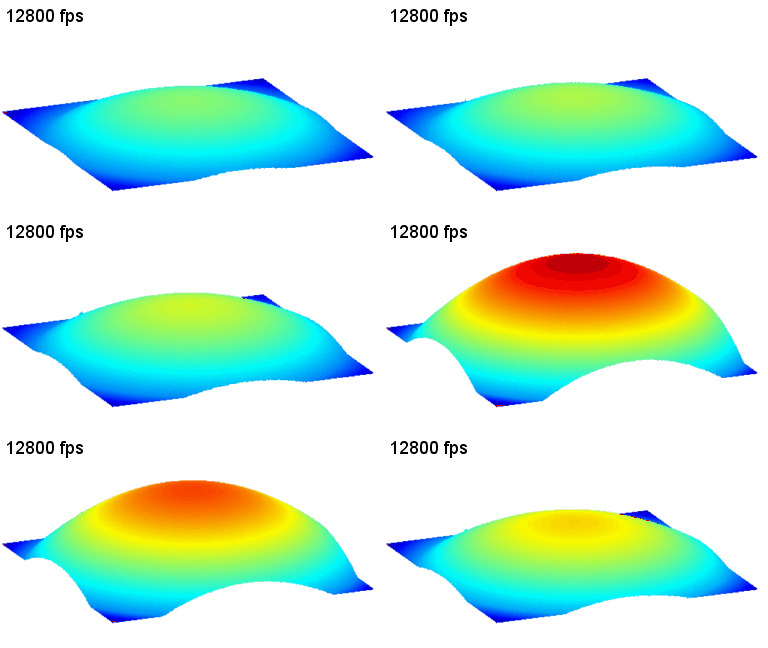
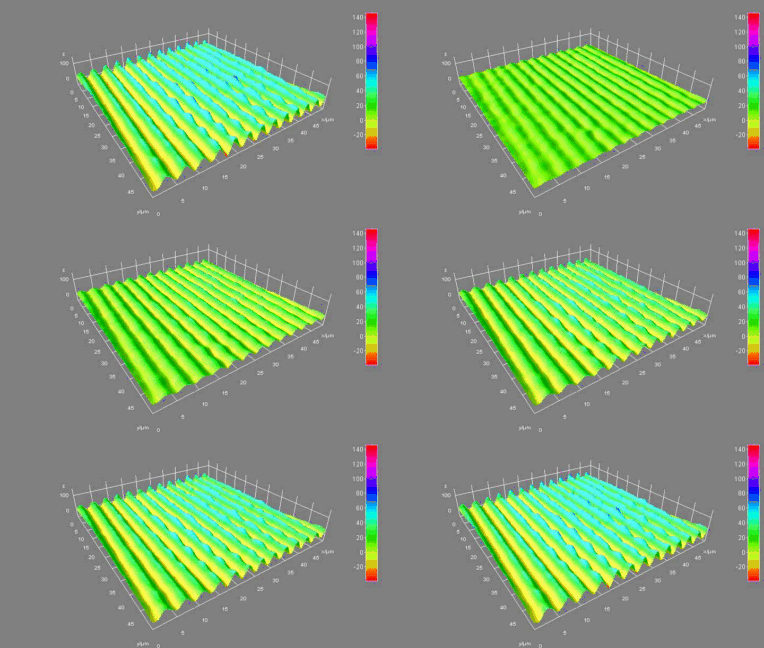
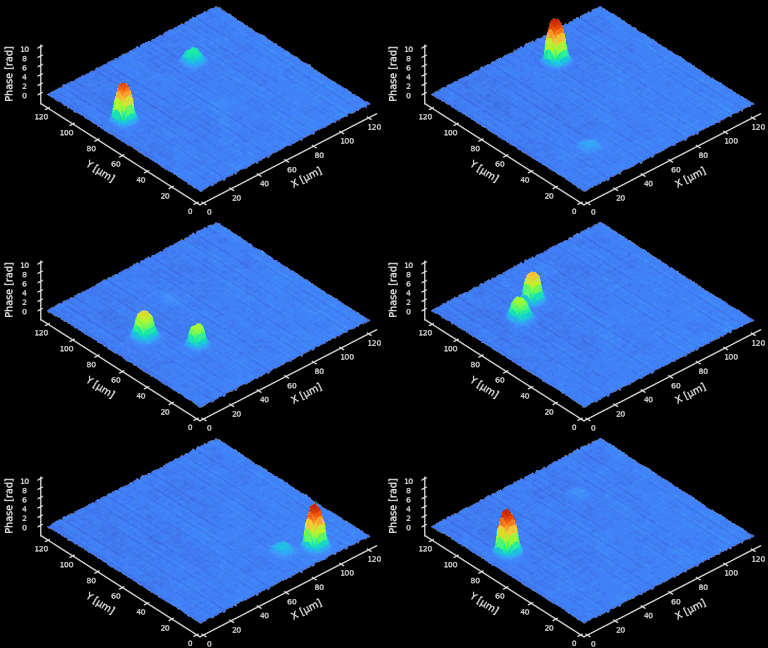
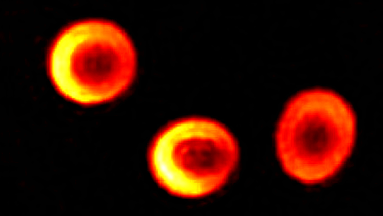
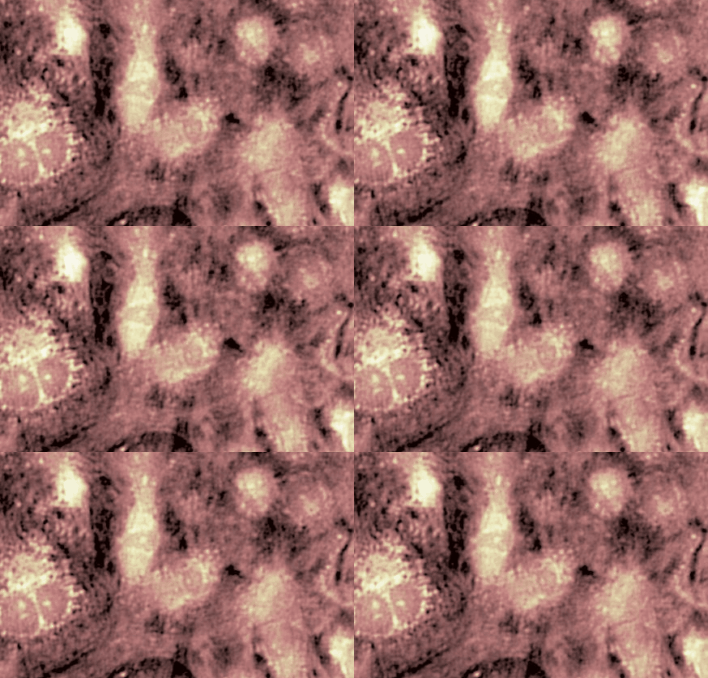
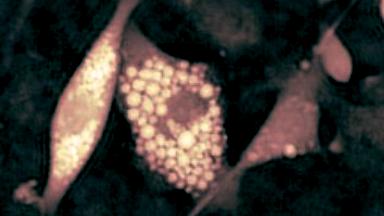
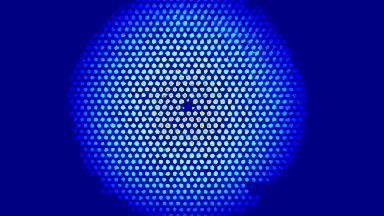
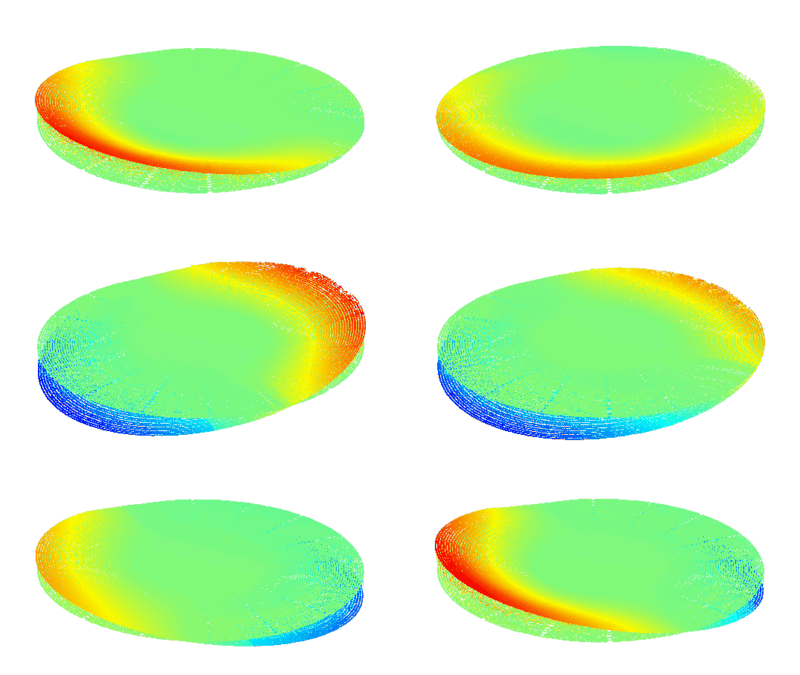
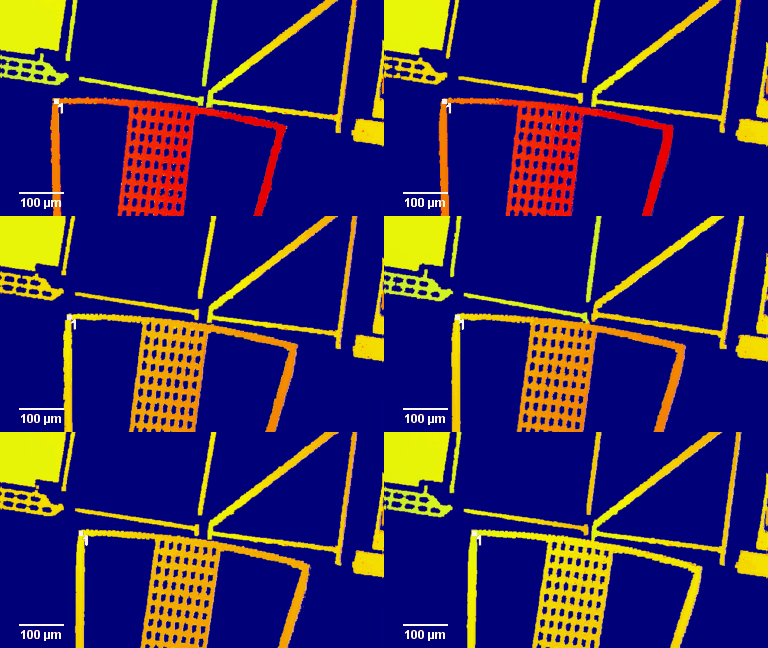
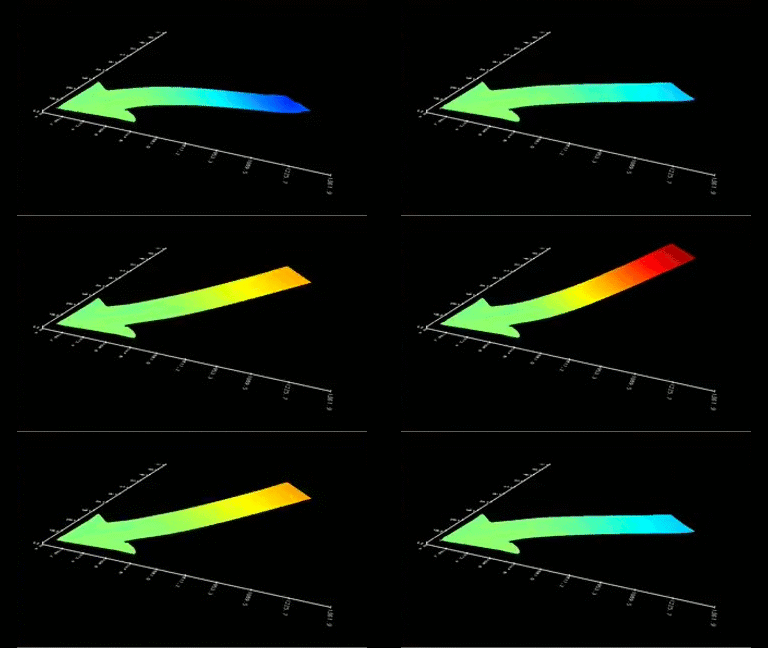
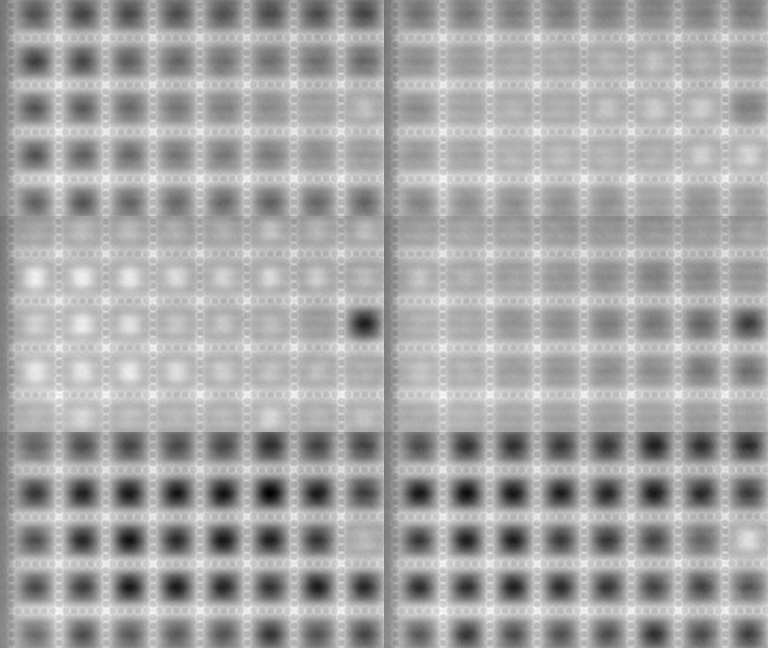
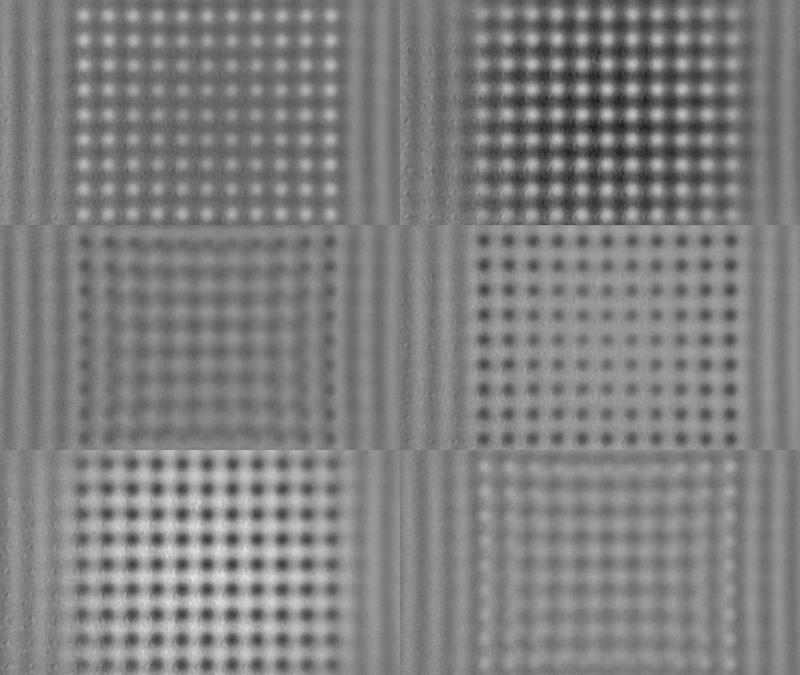
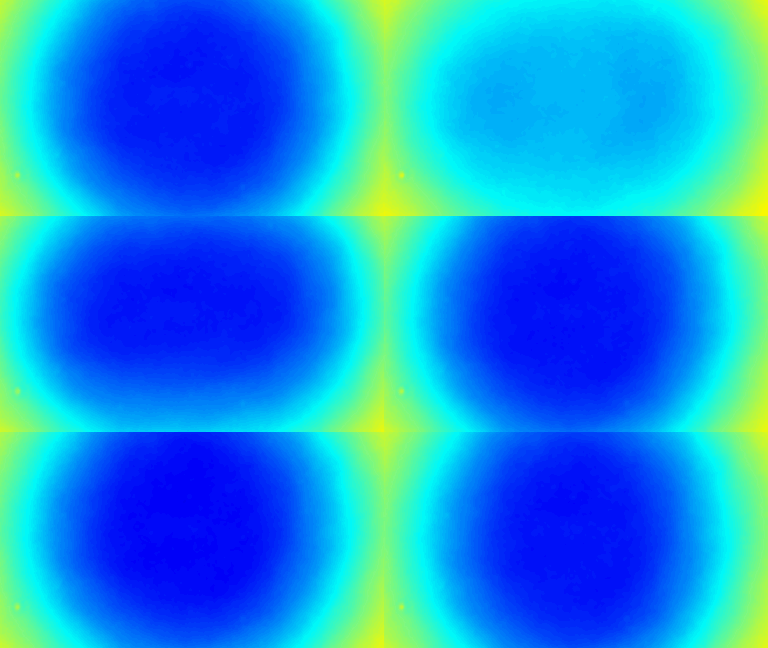
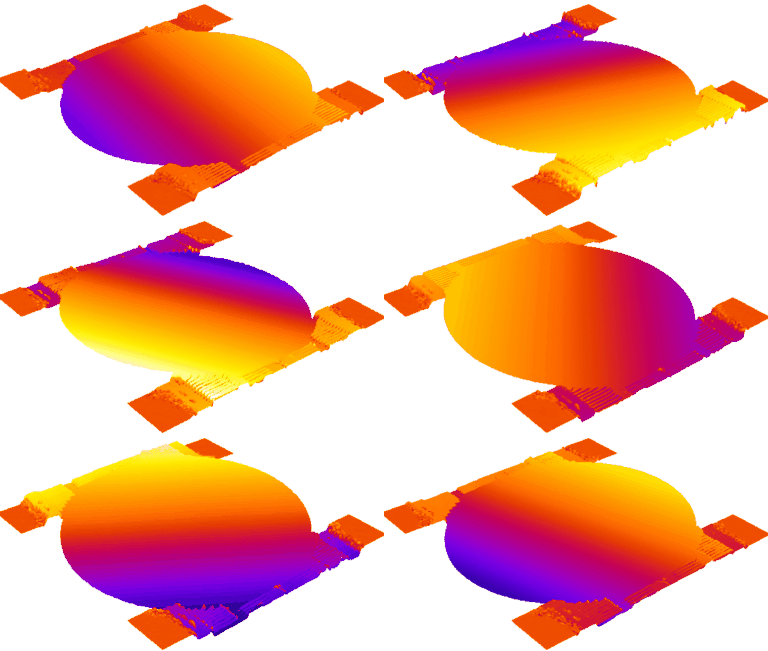
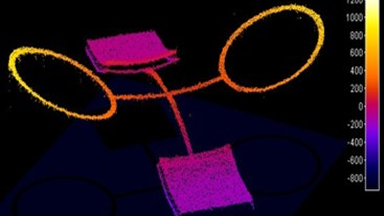
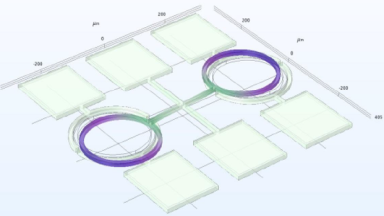
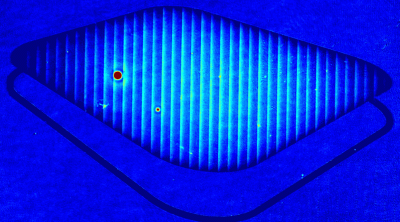
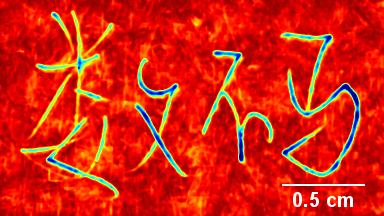
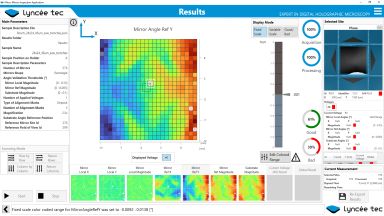
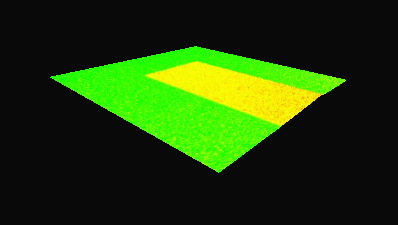
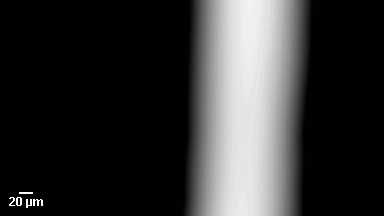
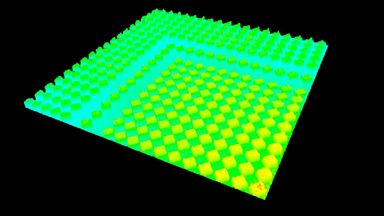
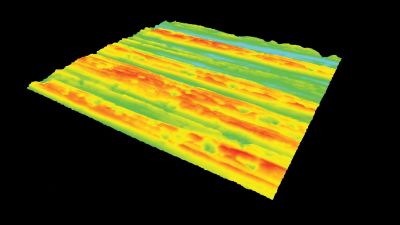
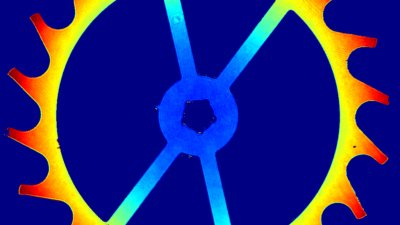
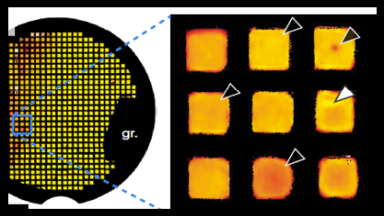
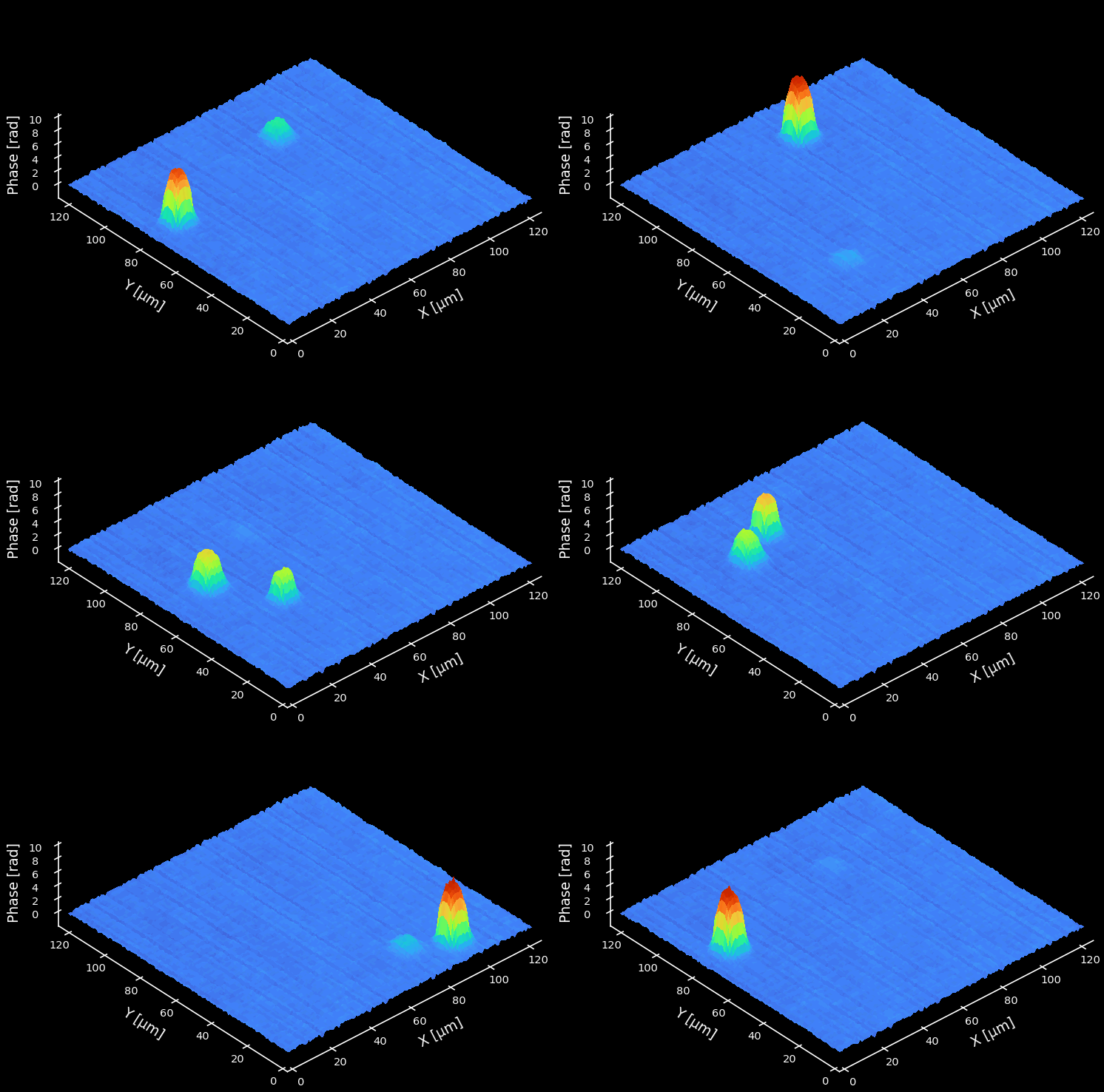
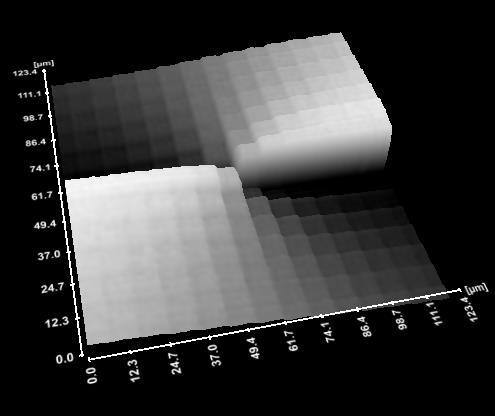
Spatial Light Modulators (SLMs) are dynamically programmable optical display panels, for which each pixel can modulate the phase of the incoming light. The Laboratory of Exoplanet Imaging and Adaptive Optics (LEIAO) led by Professor Jonas Kuhn within the Division of Space Research & Planetary Sciences of the University of Bern, in Switzerland, uses a DHM R1000 for characterizing their SLMs in real time with sub-nanometer precision along the optical axis, and micrometric lateral resolution. In particular they have performed the:
- Calibration of two Liquid-Crystal On-Silicon (LCoS) SLMs.
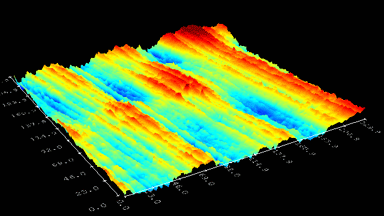
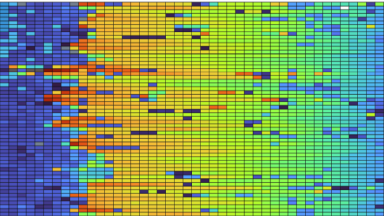
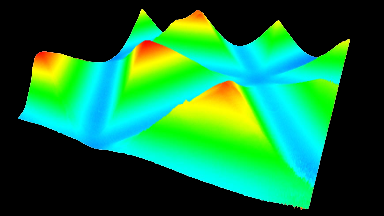
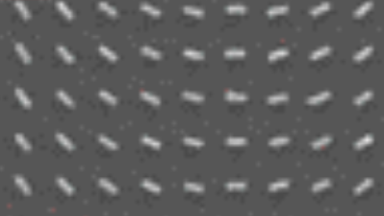
- Study of the command-to-phase relation (look-up table) and the pixels’ impulse response (influence function).
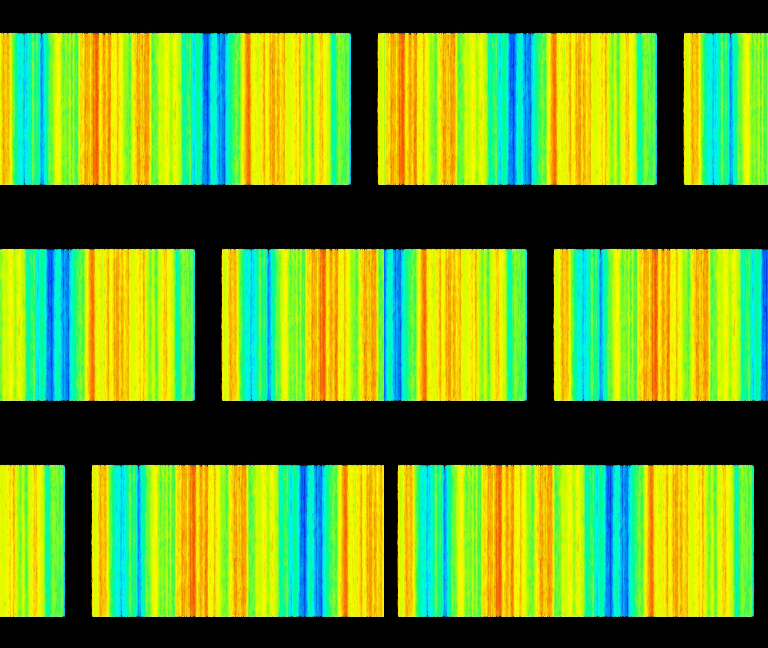
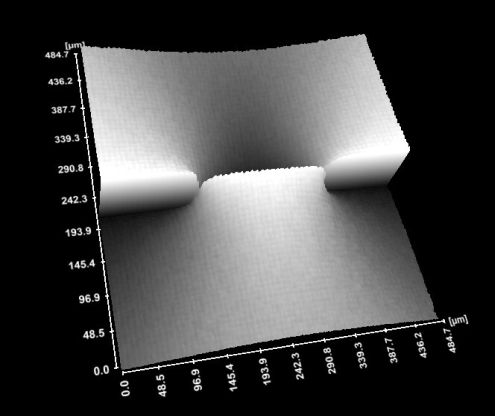
- Measurements of their static wavefront error (manufacturer’s provided flatmaps).
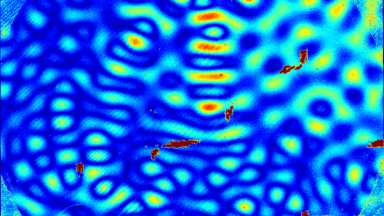
- Characterization of their temporal behavior and stability (temporal jitter).
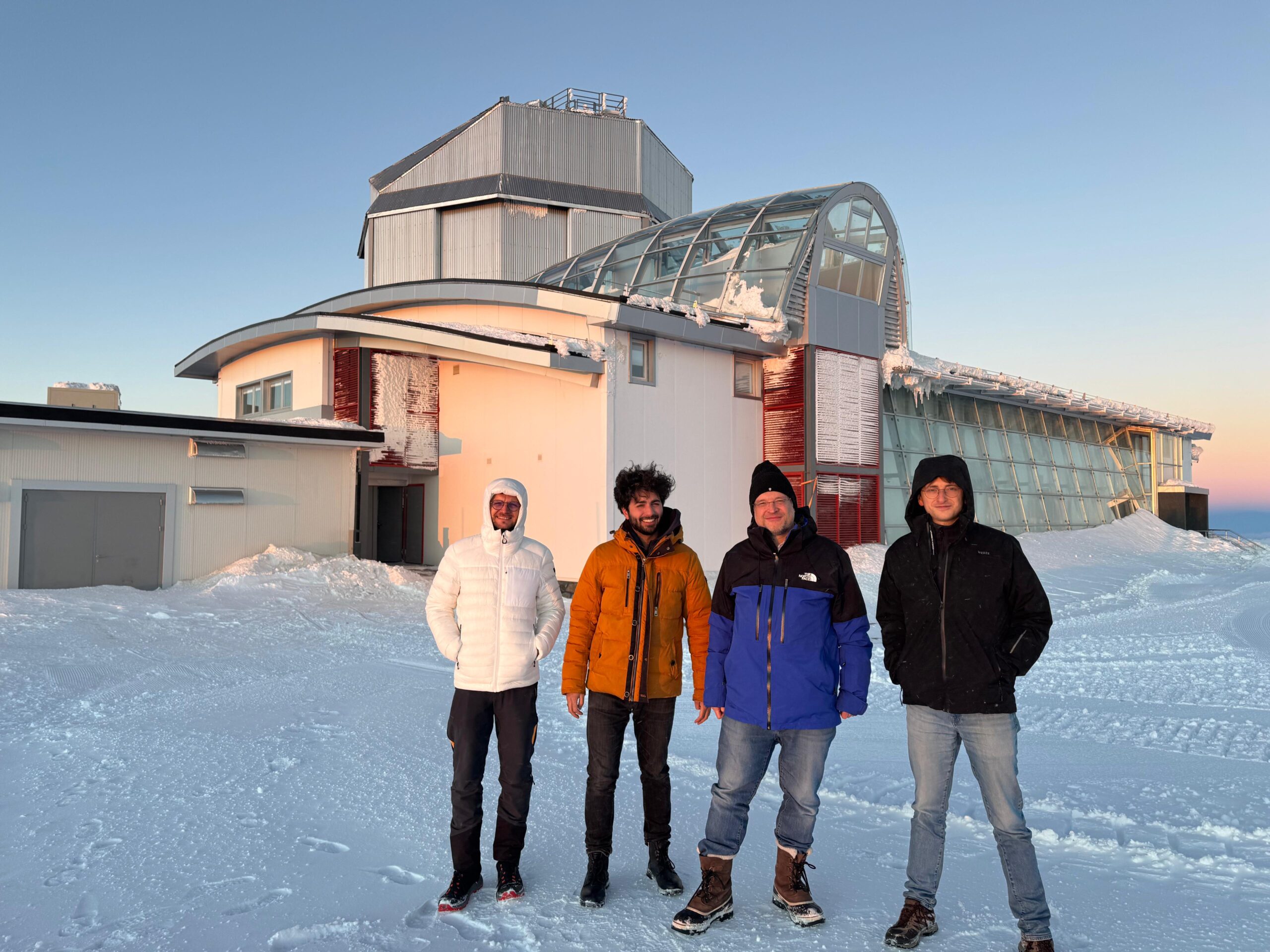
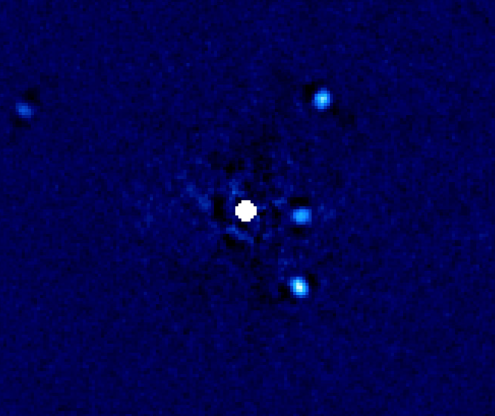
These characterization efforts have enabled them to simulate the practical impact on coronagraphic performance of the SLMs, i.e. how much of the starlight can be blocked out in order to directly image faint exoplanets around them. Indeed, this SLM “adaptive coronagraphy” technology is being deployed on the PLACID direct-imaging instrument, installed on the 4m class optical and infrared telescope installed at an altitude of 3170m asl on the Erzurum Plateau, near the town of Erzurum, Eastern Anatolia, in Turkey. Congratulations to Professor Kuhn and his team for this work.
Description:
- Courtesy of: LEIAO group, Division of Space Research & Planetary Sciences of the University of Bern, in Switzerland
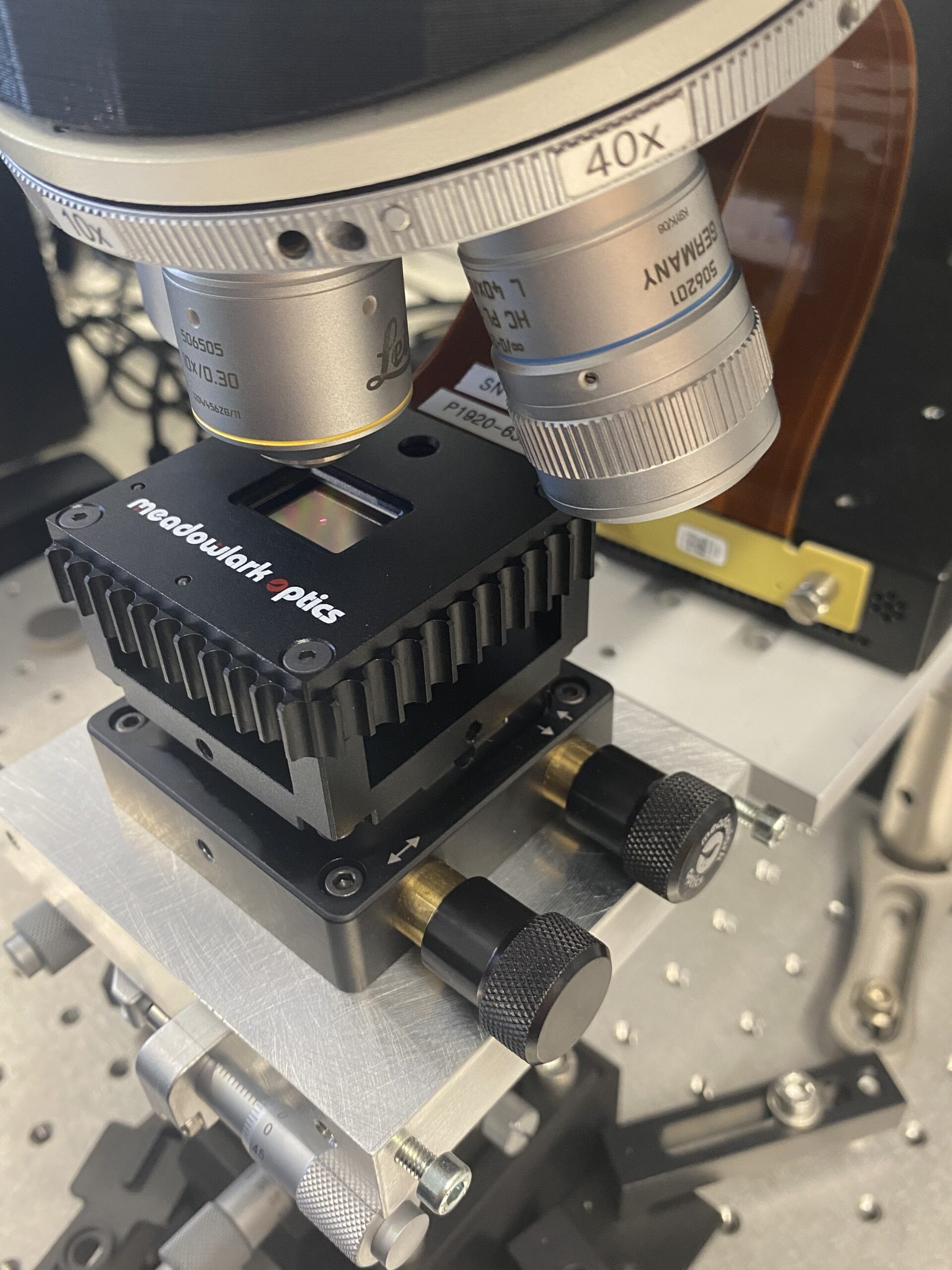
- System used: DHM R1000
- Objective: 1.25x, 10x, 40x
- Acquisition rate: 195 fps
- Could be measured at higher frame rate using our high speed DHM or our stroboscopic option.
Partner Testimonial:
An unrivalled metrology tool for simulating SLM’s practical impact on coronagraphic performance
“The DHM technology enables an unrivalled combination of both large field-of-view and micrometer-scale spatio-temporal interferometric metrology of active phase modulation devices, such as LCoS SLMs. This enables us to maximize the contrast capabilities of our SLM-based exoplanet imager instruments, where million- to billion-to-one contrast levels are required at angular separations of a few 100s milli-arcseconds, only achievable on the world’s largest ground-based telescopes.“
Prof. Jonas Kuhn, Dr. Lucas Marquis
Division of Space Research & Planetary Sciences of the University of Bern, in Switzerland